Effective bathroom waterproofing and ventilation are the primary safeguards against mold growth and structural rot in any home renovation project. Proper installation involves sealing all wet areas before tiling and selecting an exhaust fan with at least one CFM per square foot to ensure adequate moisture removal. These hidden details are critical for maintaining a healthy indoor environment and protecting the long term value of your remodel.
Few things are more frustrating than watching a stunning Fillmore bathroom remodel succumb to the invisible threats of mold, peeling paint, or structural decay just years after completion. While high end tiles and sleek fixtures capture the eye, the true integrity of your space rests entirely on what remains hidden behind the drywall. Moisture is the ultimate adversary of any home renovation; left unchecked, it can silently erode your property value and compromise the air quality of your living environment. In this guide, we explore the essential principles of professional moisture management, from selecting the correct exhaust fan capacity to implementing advanced waterproofing systems that act as an invisible shield. You will learn how to identify common installation pitfalls and discover how these critical technical details can be seamlessly integrated into a rapid, two to three day renovation without sacrificing quality or long term durability.
Why Moisture Management is the Most Critical Part of Your Fillmore Remodel
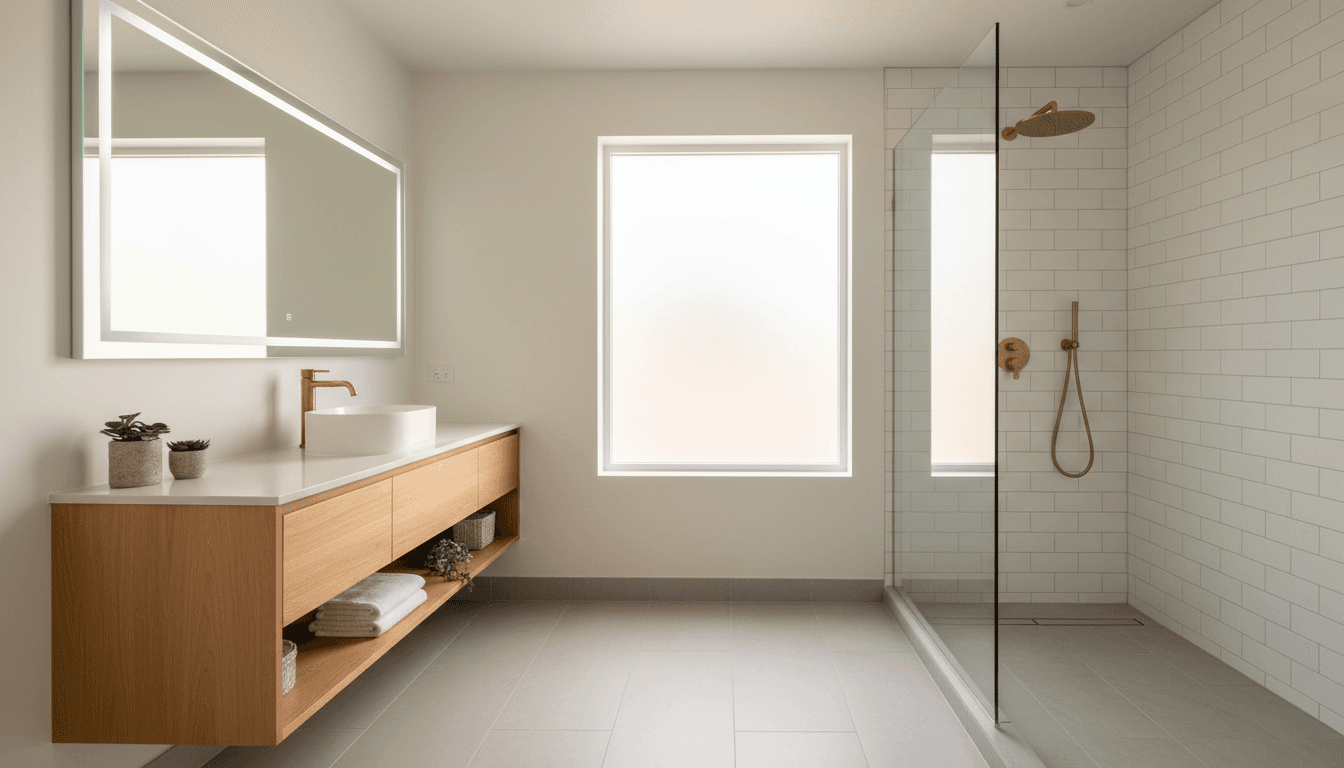
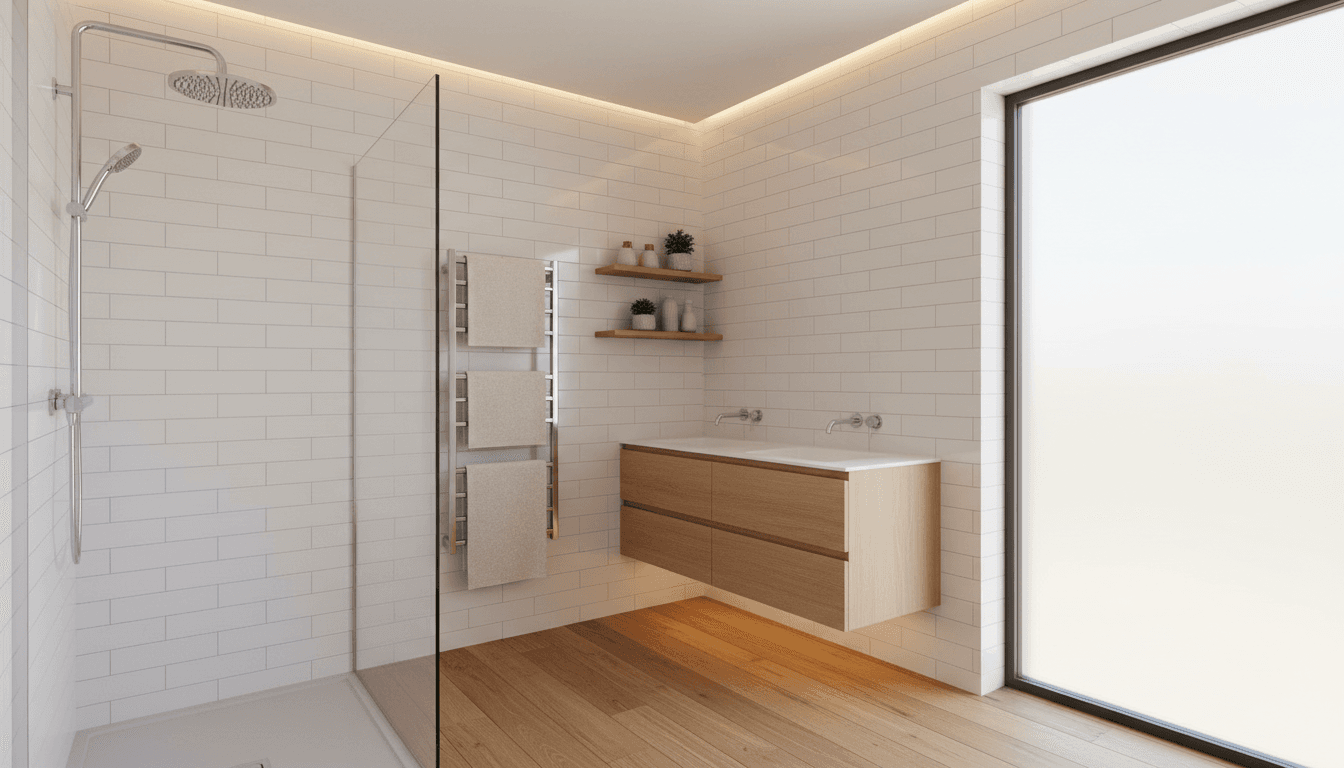
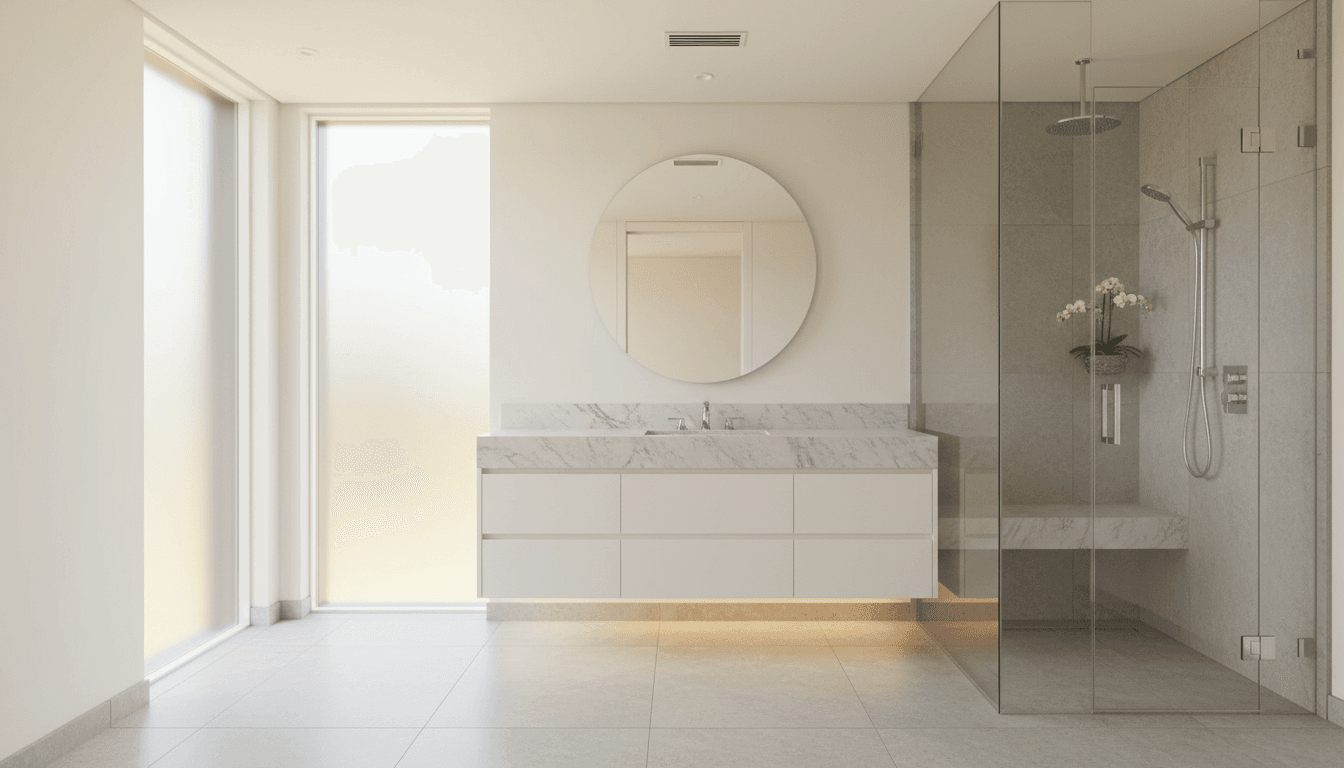
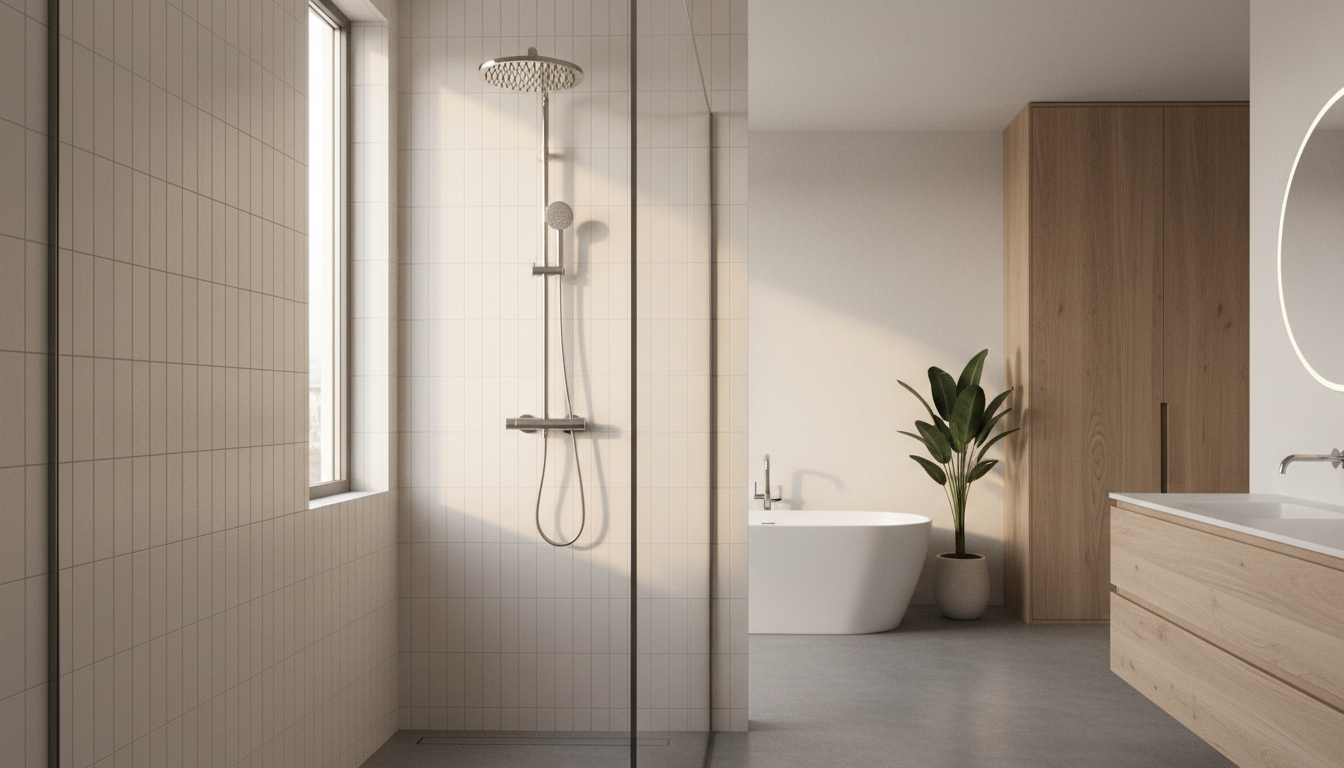
When homeowners plan a renovation, they typically focus on marble-patterned porcelain, floating vanities, or matte black fixtures. However, the true success of professional bathroom remodeling services lies in what remains invisible once the project is finished. A beautiful bathroom is only a permanent asset if the structural elements behind the tile stay dry. The longevity of your investment depends entirely on managing moisture before it reaches your subfloor or wall studs.
In Fillmore, Utah, our high-desert climate creates a specific challenge. While the outdoor air is generally dry, the winter months bring extreme temperature differentials. When you take a hot, steaming shower on a twenty-degree January morning, that moisture-laden air hits cold wall surfaces and creates rapid condensation. Without a disciplined approach to moisture management, this water becomes trapped, eventually rotting wood and fostering mold growth behind your new tile work.
Protecting your home requires focusing on the twin pillars of bathroom durability: a robust waterproofing barrier to stop liquid water and an efficient ventilation system to remove humid air. Mastering bathroom waterproofing and ventilation is the only way to ensure a remodel lasts decades rather than just a few seasons. If you are ready to build a space that stands the test of time, contact our Fillmore experts to discuss the technical specifications of your project.
Everything You Need to Know About Bathroom Ventilation
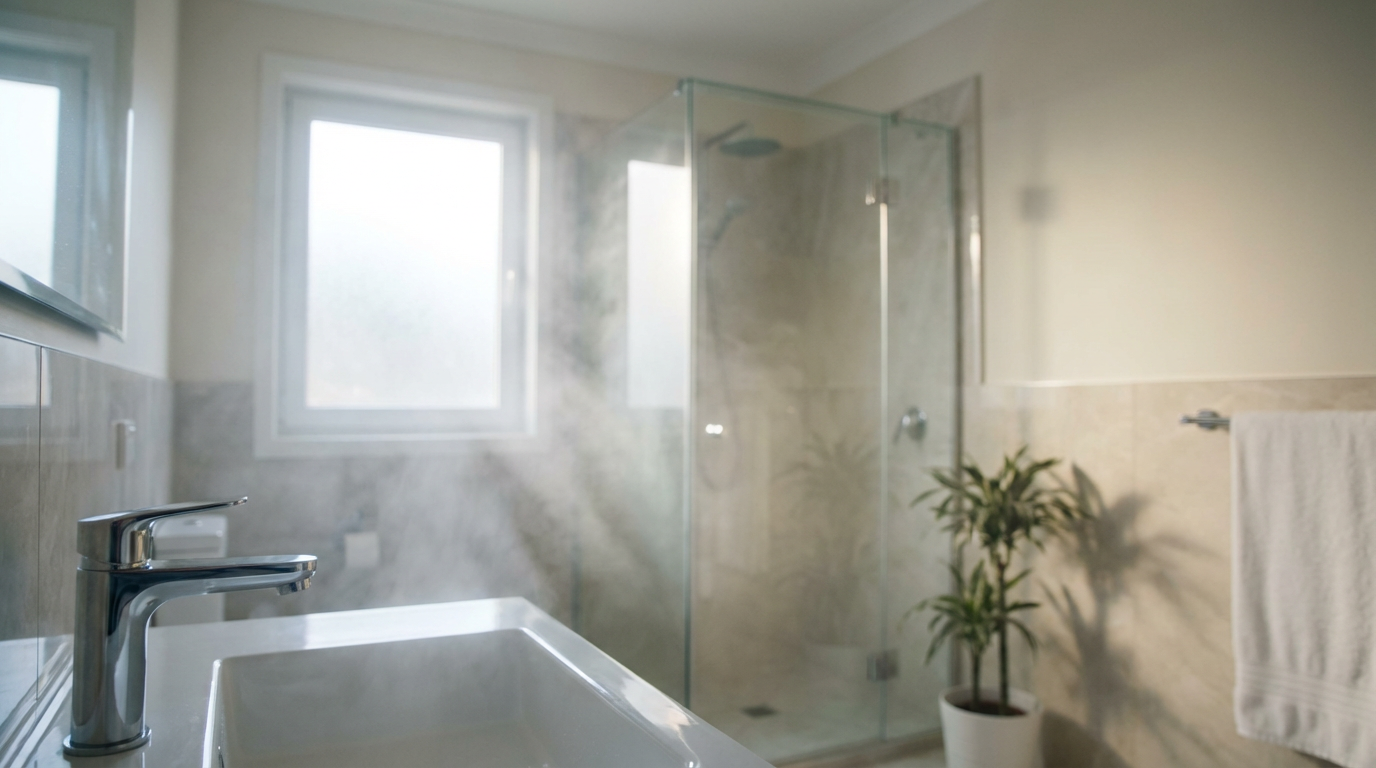
Effective ventilation serves as the mechanical lungs of your bathroom. It moves humid air out of the room before it has a chance to settle on your walls or seep into the subfloor. To determine how many CFM your bathroom fan should have, you must calculate the total square footage of the room. The industry standard, established by the Home Ventilating Institute, is 1 CFM (Cubic Feet per Minute) per square foot of space. For a standard eight by ten foot bathroom, you require at least an 80 CFM fan. If your bathroom is smaller than 50 square feet, you should still install a minimum 50 CFM unit to ensure adequate air exchange.
Homeowners often ask how they can properly ventilate their bathroom to avoid the musty smells common in older Fillmore homes. The answer lies in a dedicated exterior duct path. In Utah, venting a fan directly into an attic is a major code violation. When warm, moist bathroom air is dumped into a cold attic space during a Fillmore winter, it condenses immediately on the underside of the roof deck. This creates a breeding ground for mold and causes structural rot in your rafters. A professional installation ensures the air travels through insulated ductwork to a dedicated vent cap on the roof or an exterior side wall.
Beyond raw power, you must consider the Sone rating, which measures the noise level of the fan. A fan that sounds like a jet engine will often be left off by the homeowner, rendering the entire system useless. A rating of 1.0 sones or less is considered whisper quiet, while ratings above 3.0 sones can be disruptive. Selecting a high quality, low sone unit is a critical component of a comprehensive bathroom waterproofing and ventilation strategy. By ensuring the fan is quiet enough to run during every shower, you provide the first line of defense against moisture damage.
Bathroom Exhaust Fan Size Calculator and Features
Selecting the right hardware for bathroom waterproofing and ventilation requires matching fan capacity to the specific volume of your space. While the 1 CFM per square foot rule is the baseline, many Fillmore homeowners opt for slightly higher ratings to ensure rapid steam clearance during the cold winter months.
Bathroom Size (sq ft) | Recommended Minimum CFM | Best Use Case |
|---|---|---|
Up to 50 | 50 CFM | Small guest baths or powder rooms |
50 to 80 | 80 CFM | Standard full bathrooms |
80 to 100 | 100 CFM | Mid-sized family bathrooms |
100+ | 110+ CFM | Large master suites with high ceilings |
Modern units offer features beyond simple air movement. Humidity-sensing fans are particularly effective for rental properties or busy households because they activate automatically when moisture spikes; this removes the risk of a user forgetting to flip a switch. Given the cold Utah mornings, integrated heater options provide immediate comfort. When you contact our Fillmore experts, we often recommend these multi-functional units to streamline your ceiling layout while providing maximum moisture protection. Dimmable LED lighting is another popular upgrade, allowing the fan to serve as an efficient light source while keeping the aesthetics of the room cohesive.
The Invisible Shield: Modern Waterproofing Systems
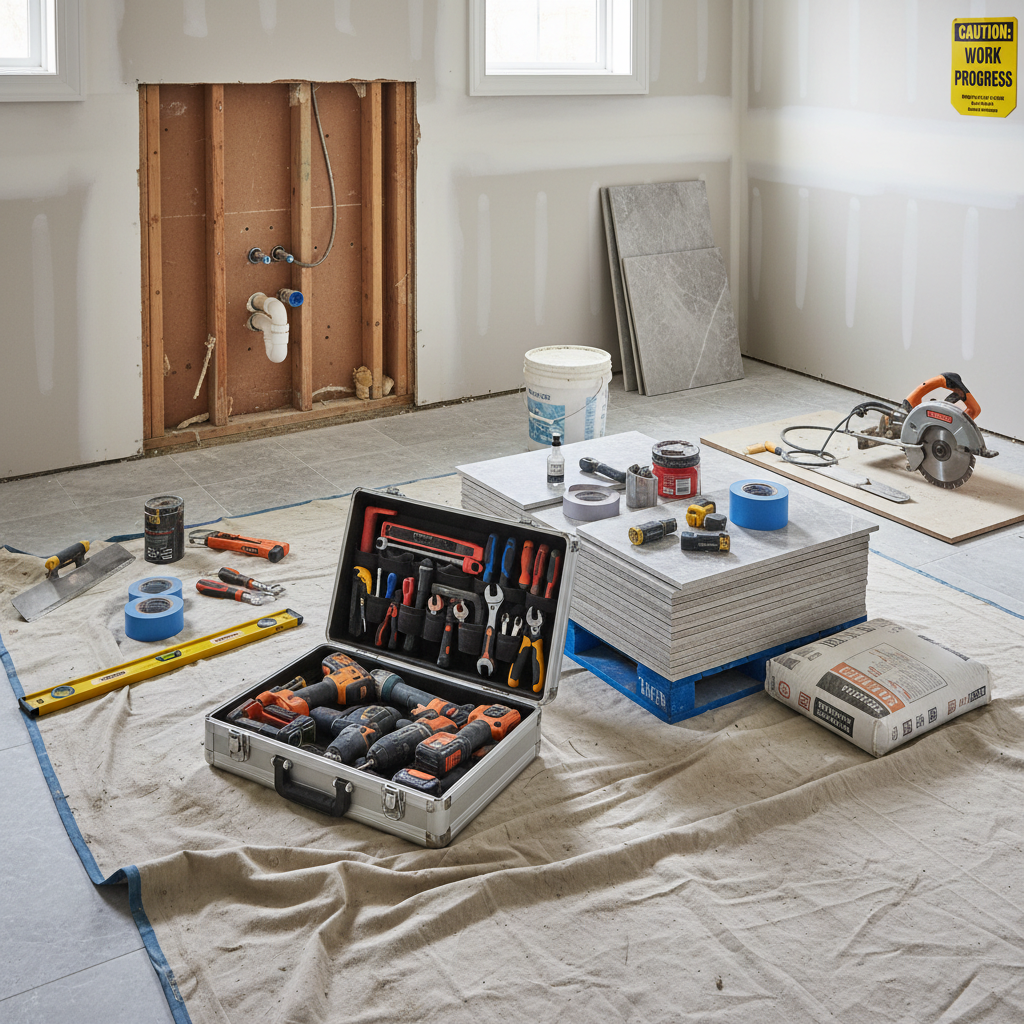
A common misconception in home renovation is that tile and grout provide a waterproof barrier. In reality, grout is a porous cementitious product that absorbs moisture, and even glazed tile can allow water to seep through micro-cracks over time. To protect your home, an invisible shield must exist behind the finish material. This is where modern professional bathroom remodeling services differentiate themselves from amateur work.
In the past, many builders relied on cement board alone. While cement board is water-stable, meaning it will not rot, it is not waterproof. Water eventually wicks through the board to reach the wooden studs. Today, we utilize specialized bathroom waterproofing and ventilation strategies involving two primary types of membranes:
Membrane Type | Application Method | Key Characteristics |
|---|---|---|
Liquid-Applied | Rolled or brushed on | Often referred to by DIYers as "bathroom waterproofing paint," these create a seamless, rubberized layer across all surfaces. |
Sheet Membranes | Bonded with thin-set | Pliable fabric sheets that provide a uniform thickness and superior crack-bridging capabilities for high-stress areas. |
It is important to clarify that "bathroom waterproofing paint" is a technical liquid-applied membrane, not the decorative paint used on your bedroom walls. We advocate for a complete system approach rather than mixing and matching components. A system ensures that the shower pan, wall membranes, and drain assembly are engineered to work together without weak points. This integrated method creates a sealed capsule that prevents moisture from ever touching your Fillmore home's framing. If you have questions about which "bathroom waterproofing membrane" is best for your specific layout, contact our Fillmore experts to review the technical requirements of your space.
Common Shower Waterproofing Mistakes That Lead to Leaks
Even with the highest quality materials, the effectiveness of bathroom waterproofing and ventilation depends on precise execution during the installation phase. Homeowners often ask, "What are common waterproofing mistakes?" Most failures occur at transition points rather than on flat wall surfaces. Inside corners are frequently neglected; if a membrane is not properly folded or reinforced with specialized corner tape, water finds the path of least resistance. The curb to wall transition is another high risk zone. If this joint is not hermetically sealed, water eventually migrates into the wooden framing of the curb, leading to structural rot that remains hidden until the damage is extensive.
A phenomenon known as wicking is a major cause of post remodel mold. If the bottom layer of the wall membrane does not overlap the floor pan correctly, or if the seal is punctured at the base, moisture can be drawn upward behind the tile via capillary action. This saturates the substrate and can bypass your drain entirely, eventually reaching your subfloor. To prevent these issues, professional bathroom remodeling services include a mandatory flood test. This involves plugging the drain and filling the shower pan with water for 24 hours to verify the system's integrity before a single tile is laid. If you want a renovation that prioritizes these technical safeguards, contact our Fillmore experts to ensure your shower is truly watertight.
How Failed Waterproofing and Ventilation Impact Your Home Value
Neglecting the technical side of a renovation creates a significant financial liability for Fillmore homeowners. While a high end vanity adds aesthetic value, failed bathroom waterproofing and ventilation can quickly erase those gains. If you are inspecting a space for damage, you might wonder, "What does failed waterproofing look like?" Common indicators include peeling paint on the ceiling, a persistent musty smell that cleaning cannot resolve, or a floor that feels slightly spongy near the shower curb.
By the time these symptoms appear, the cost of correction is often steep. Professional mold remediation typically ranges from $1,500 to $5,000. If the moisture has reached the subfloor or wall studs, structural repairs can easily exceed $10,000. Utilizing professional bathroom remodeling services ensures that your renovation is a long term asset rather than a hidden expense. Our projects include a warranty that protects your investment, providing peace of mind that your home's structure is secure. If you suspect your current bathroom is failing, contact our Fillmore experts to discuss a professional upgrade.
Integrating Hidden Details Into a 2 to 3 Day Renovation
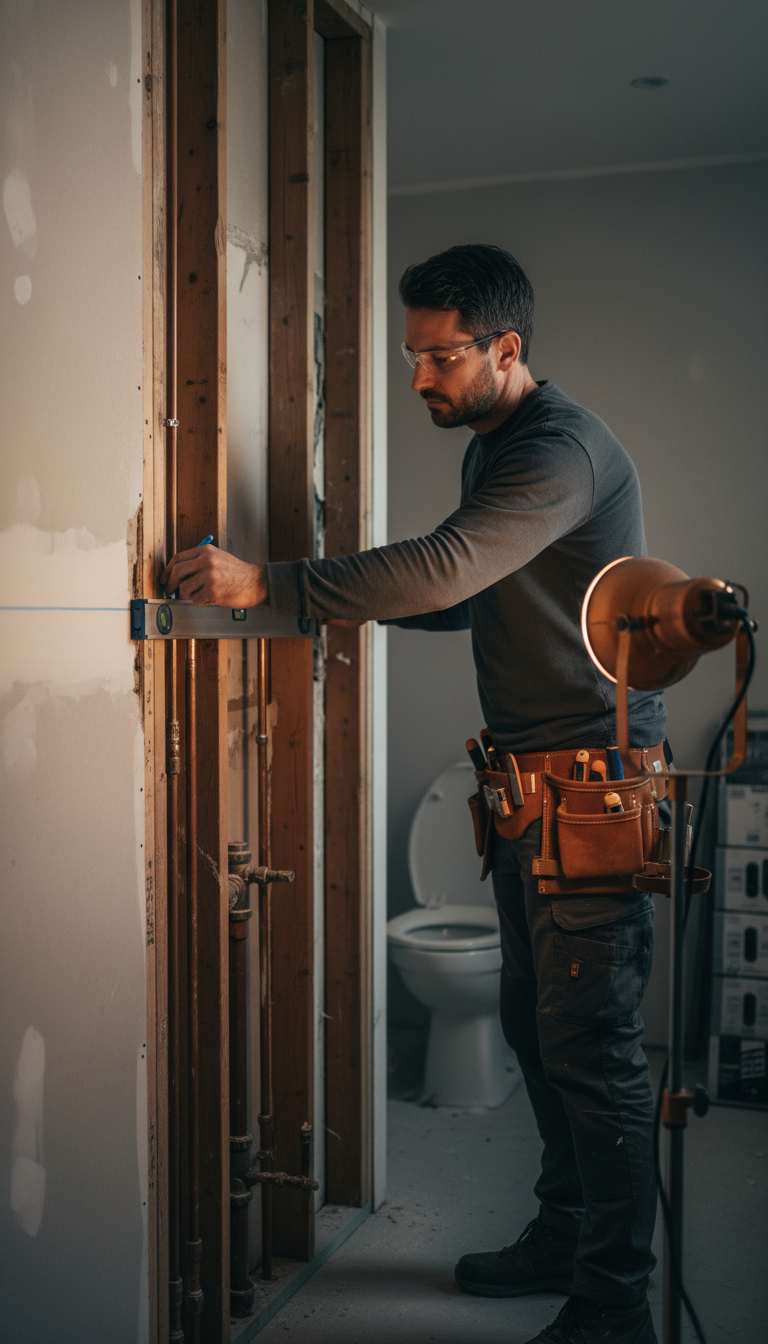
Achieving a durable finish within a two to three day timeline requires a shift from traditional, time consuming methods to high performance, engineered systems. We eliminate the multi day wait associated with traditional mortar beds by utilizing high density, pre-sloped shower pans. These components provide a perfect pitch for drainage immediately upon installation, removing the risk of human error or standing water.
To maintain our pace without compromising on protection, we utilize rapid-curing liquid membranes. Unlike older products that require 24 hours to dry between coats, these advanced formulas allow for tile application in as little as two to four hours. This compression of the schedule is what allows professional bathroom remodeling services to deliver a fully waterproofed environment in a fraction of the time. While the membranes cure, our team installs the dedicated ventilation ducting and high CFM fans discussed earlier. This parallel workflow ensures that bathroom waterproofing and ventilation are fully integrated before the first piece of tile is set. By prioritizing these rapid-deployment systems, we provide a renovation that is both swift and structurally superior. If you are looking for a transformation that respects your time and your home's longevity, contact our Fillmore experts to schedule your project.
Taking care of waterproofing and ventilation is essential for any Fillmore remodel. These hidden details protect your home from moisture damage and ensure your new bathroom stays beautiful for years. While managing these tasks yourself is an option, many homeowners find peace of mind by working with a team that understands the technical nuances. If you want expert help to guarantee your project is handled correctly from the start, feel free to learn more about Bathroom & Stuff. We are here to help you build a space that lasts.